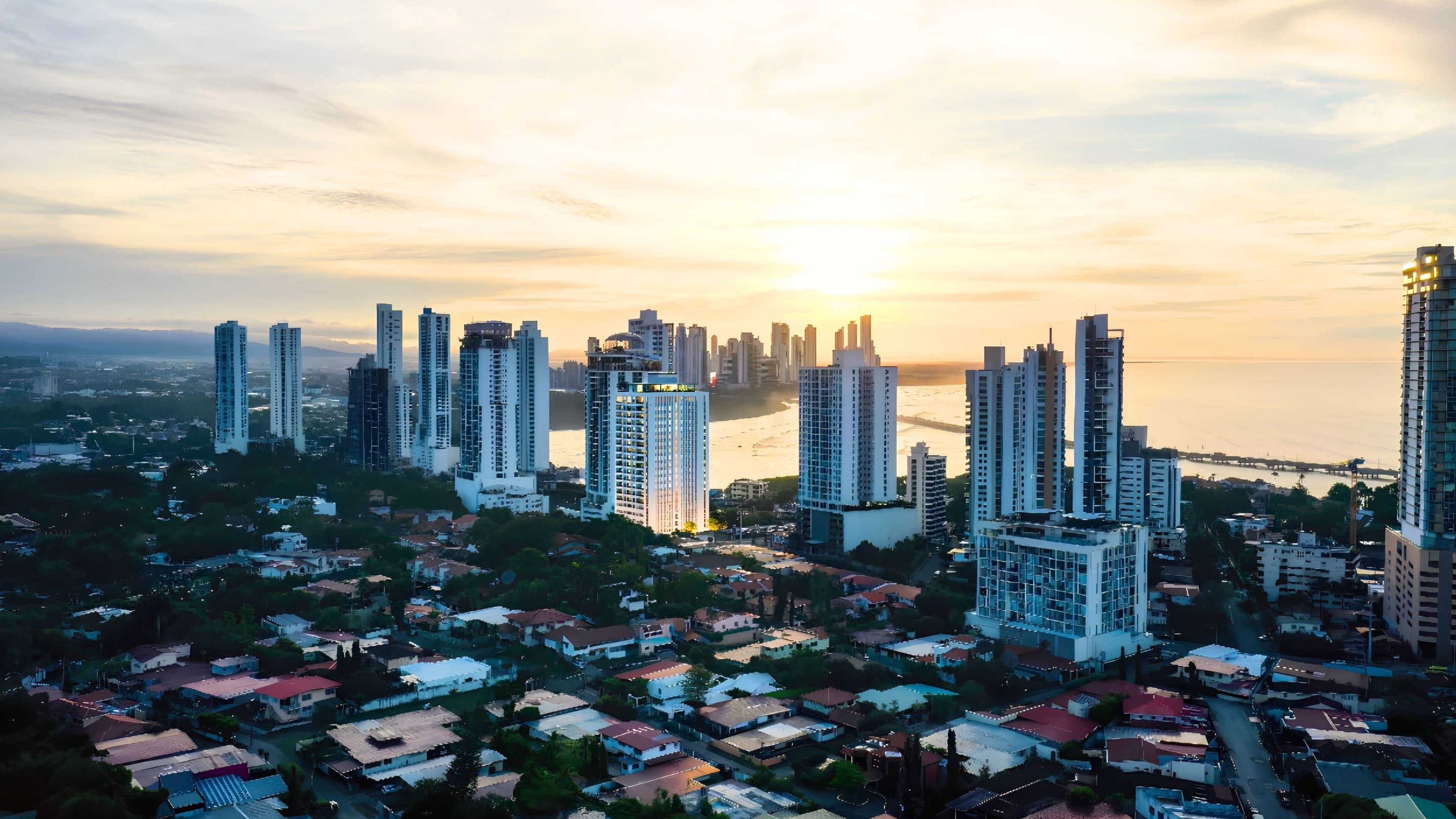
The complete guide to investing in real estate in Panama 2026
June 15, 2026 · 9 min read
Property types, how to calculate real profitability, the step-by-step buying process and the most common mistakes to avoid.
Throughout this series we have covered, one by one, the legal, financial and immigration aspects of investing in Panama. This final guide brings the pieces together in a single practical walkthrough: what type of property to choose, how to evaluate the real profitability of an investment, and the concrete steps to move from decision to signing.
If you are evaluating your first real estate investment in Panama, this is the guide meant to be read from beginning to end before taking the step.
1. Why Panama, in a single idea
Panama combines four factors that rarely coincide in the same market: a dollarized economy with no exchange-rate risk, a legal framework that grants foreigners practically the same property rights as nationals, regionally competitive rental yields (generally between 5% and 9% gross per year depending on the area), and a geographic position that sustains structural demand for corporate and tourist housing.
2. Property types: which fits your objective?
- Residential apartments in premium areas: they offer the most balanced combination of security, constant demand and ease of management. Areas like Costa del Este, San Francisco and Punta Pacífica concentrate the greatest resale and rental liquidity.
- Pre-construction properties (off-plan): they allow access to lower entry prices, payment plans split during construction — typically between 12 and 36 months — and estimated appreciation of 10% to 25% between purchase and delivery. The main risk to evaluate is the developer's track record and solidity.
- Tourist and vacation rental properties: in areas like Casco Antiguo or the Pacific beaches, they can generate gross yields of up to 10% to 12% per year, though with greater seasonality and a need for active management.
- Offices and commercial premises: more specialized segments, with yields ranging between 4% and 6% for well-located offices, and greater resilience in high-traffic commercial premises. They require more experience and a network of corporate contacts to minimize vacancy.
- Development land: it offers the greatest potential for appreciation over the medium and long term, but also the highest level of risk and the longest return horizon.
3. How to calculate whether a property is a good investment
Beyond location and purchase price, a serious profitability assessment must consider at least these indicators:
- Gross return on investment: (annual rental income ÷ purchase price) × 100.
- Expected occupancy rate according to the target tenant profile and the area.
- Recurring operating costs: condominium maintenance fees, property tax, insurance and management.
- Projected area appreciation, based on the pace of infrastructure development and the historical evolution of prices.
- Transaction costs when buying and, eventually, when selling: transfer tax, legal and notary fees.
An advisor with deep knowledge of the local market can help calculate these numbers realistically, rather than relying solely on the seller's optimistic projections.
4. The complete process, from start to finish
- Define the investment objective: rental, appreciation, personal use, or a combination, since this determines the right area and property type.
- Evaluate whether the purchase will be made personally or through a Panamanian company, considering asset-protection and succession objectives.
- Select the property and verify its legal status: title registered in the Public Registry (never ROP without specialized advice).
- Carry out complete legal due diligence: confirm it is free of liens, mortgages or litigation.
- Define the payment structure: cash, Panamanian bank financing, or a combination, according to your profile and the project phase (pre-construction or immediate delivery).
- Sign the promise of sale, generally accompanied by an initial deposit.
- Sign the public deed before a notary and register it in the Public Registry.
- If the objective includes residency, evaluate in parallel whether the investment qualifies for the Friendly Nations Visa or the Qualified Investor.
5. Common mistakes to avoid
- Buying without verifying whether the property has a registered title or is Possession Rights (ROP).
- Underestimating recurring operating costs when calculating expected net profitability.
- Choosing an area on a generic recommendation without considering the tenant or buyer profile that location actually attracts.
- Not verifying the developer's track record on pre-construction projects before committing capital.
- Structuring the purchase without thinking about wealth succession, especially in larger investments.
Frequently asked questions
What is the recommended minimum amount to start investing in Panama?
There is no legal minimum to buy, but if your objective includes qualifying for residency through the Friendly Nations Visa, the real estate investment threshold is $200,000.
Is it better to buy a finished property or pre-construction?
It depends on your risk profile and horizon. Pre-construction offers a better entry price and appreciation potential, but it means waiting for construction and depending on the developer's solidity. A finished property allows you to generate rental income immediately.
Do I need to be in Panama during the entire buying process?
It isn't strictly necessary; much of the process can be handled through a power of attorney and legal representation. However, at least one visit makes it easier to verify the property and speeds up banking and notary procedures.
How do I choose among the different areas we cover in this series?
The choice depends on your main objective: rental yield, capital appreciation, lifestyle or a combination. Review the article of this series dedicated to the best areas to invest, and then let's discuss your specific case.
How important is professional advice in this process?
It's decisive. A good advisor not only identifies opportunities but also helps avoid costly mistakes in title, legal structuring and profitability calculation that are hard to detect without deep knowledge of the local market.
Conclusion
Investing in real estate in Panama combines ingredients rarely found together in the same market: monetary stability, legal certainty, competitive yields and a clear path to residency for those who want it. But like any serious investment, the outcome depends on the quality of the decisions made along the way: the right area, the right property type, the appropriate legal structure and an honest profitability calculation.
This series of ten articles sought to give you a solid, informed foundation to make those decisions. The natural next step is to translate that information into a concrete strategy, tailored to your particular situation.
Thinking about investing or settling in Panama?
Book a personalized consultation and receive a strategy tailored to your wealth, financial and immigration goals.